
Cristina Dominguez on the collective care required to grow food in the Chihuahuan Desert
Interview by Kimberly Sumano
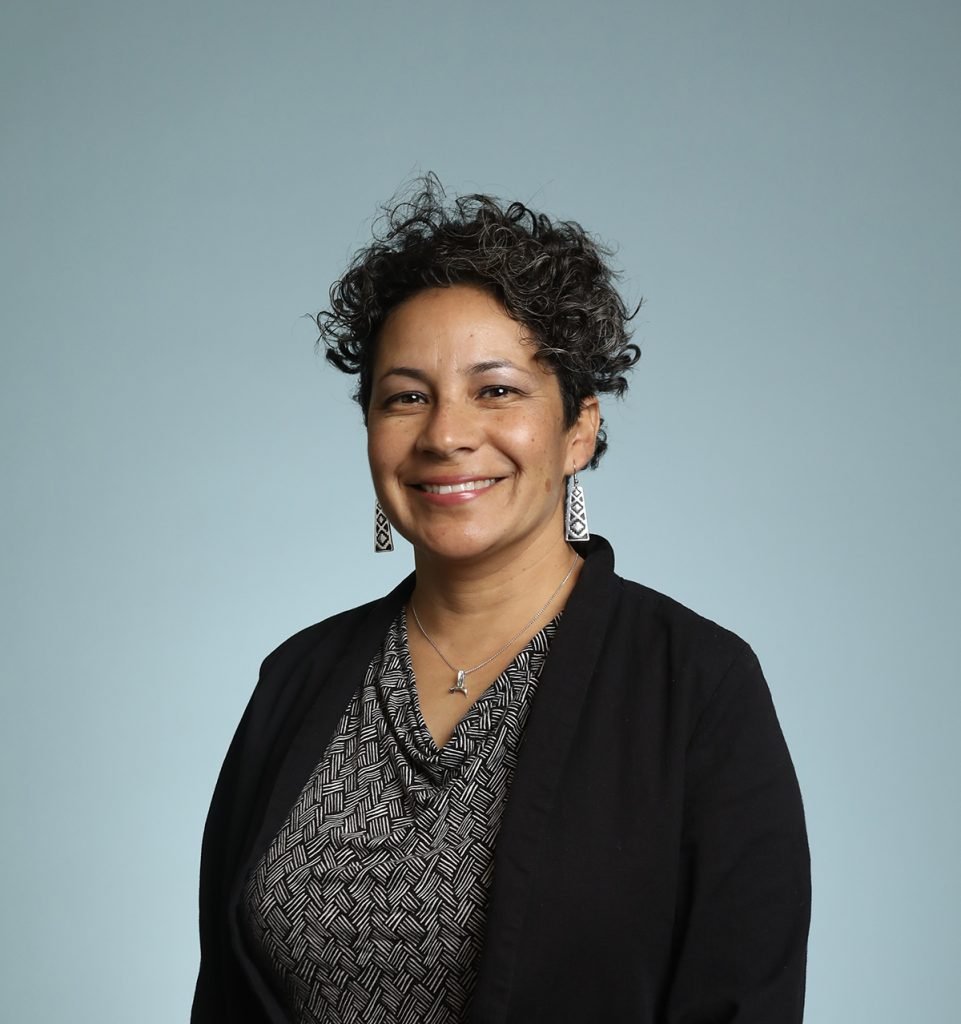
Cristina Dominguez is the co-founder and current executive director of La Semilla Food Center, a nonprofit organization creating space for local agriculture, food justice, and community connection in the Paso del Norte region of southern New Mexico and El Paso, TX. A dedicated advocate for food sovereignty, environmental sustainability, and community resilience, Dominguez has played a pivotal role in transforming the food landscape of the Paso del Norte region.
This interview was conducted as part of ClimateLore, a partnership between Southwest Folklife Alliance and La Semilla Food Center, which gathered oral histories of Paso del Norte residents, with funding from the National Endowment for the Humanities. This interview has been edited from its original. Find the full audio version and other interviews from the project archived in the El Paso Public Library, accessible online here.
Can you share a little bit of who you are, where you’re from, where your family comes from?
I was born here in El Paso. My parents are Maria Elena and Vicente Dominguez, and my little sister is Olivia. My parents were born here, and my grandparents—three of the four—were born on this side of the border, one in northern Mexico, and then all my great-grandparents in northern Mexico. I’m a “Chihuahuan desert dweller,” for sure.
When did you first feel a connection with nature, with the natural environment?
Since I was young, and it was encouraged, I would play outside pretty often. My family would go camping to Ruidoso every summer and take a hike in the river. It was like a spiritual playground. I wouldn’t have had those words at the time. My whole family would go; it was a collective effort to make the trip happen. As we would start rising in elevation, my dad was giddy like a kid about it. He would roll down his windows, and my mom would be like, “It’s cold,” and my dad is like, “Smell that. You smell that girls?” It was very much about sensory appreciation for that change in landscape.
What comes to mind when you think of the Chihuahuan Desert?
Heat, dryness, brilliance, love, and endurance. Brilliant in thinking about people but also desert plants and their structures in conserving water and the medicine and lessons that they embody. They are always waiting to show us that if we pay attention and if we resist that imposed external framing of “It’s just the desert” or “Just this barren place.”
Nowadays when I think of the desert, I can’t help but think of winds. These brutal, increasing winds that we see, the power they carry. The way wind makes people feel or be more aggressive with each other. It’s no longer just in March. In December when it looks like “Dust Bowl” conditions I feel a dread in me, especially when driving in it. You don’t see the bright open sky; you see this haze.
There’s times at night when I look out, it just seems so bleak, and I try and imagine into the future. What does this look like? What does it look like if it’s for days on end? And how do people go out and function? And what does that mean for people who are working outside? Every time that happens at night, I think about climate change and the future and what would that look like?
How did you start farming?
[After college] through AmeriCorps, I got a call from a Latino community center in central Missouri … and served a year there. It really helped me to clarify my own identity and what it means to grow up along the border and all the contradictions and beauty of that. I fell in love and got really homesick at the same time. When I was away, I was kind of malnourished, which got me thinking [more deeply] about all the ways food is tied to our health and our bodies. I realized I was not being nourished by community. I missed my community. It wasn’t just like nutrients and food, but how [back home] we would come together every Sunday for a family meal.
I moved back and saw this position at Heifer International, and so I applied and was hired there. That work was on agriculture and food and who has access to food and who doesn’t. [My mentor Rigo] really let you show up as your whole self and had a deep love for his family and young people. It was a really nourishing place. He was very much dedicated to creating access and opportunity for small farmers in the region. We worked with different groups that were doing food and ag work in Texas, New Mexico, Oklahoma, Arizona and the colonias in Juárez and here. Through the Colonias Development Council, I started working with youth to develop a community garden, and I fell in love with it.
Then I did this six-month apprenticeship at UC Santa Cruz. I wanted to be taught how to grow in a way that was in right relationship with the environment. I was very clear, “I’m going back to my community.” I ended up making friends there that I still have to this day that have supported the work here at La Semilla; they’ve just become a network of support for my community here that I didn’t expect.
When I moved back, I moved to Anthony to be closer to the land that had been donated. The soil on the donated land was depleted. I remember just kneeling on the ground, like, “Okay, I’m going to make an agreement and be in relationship here, and I feel like I’m going to have to sacrifice some things. I don’t know what they are, but I’m in.”
How is it to farm in the desert?
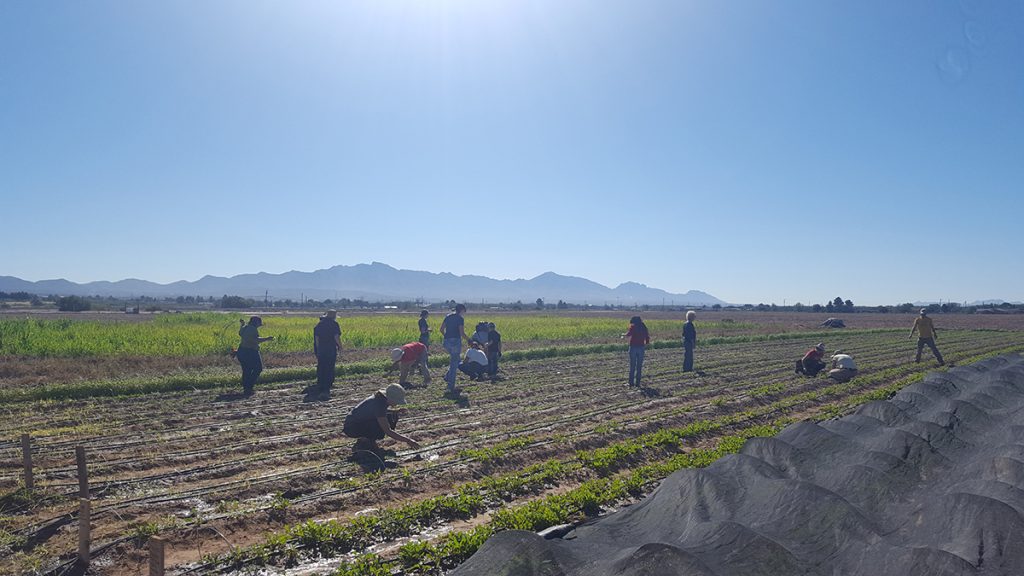
Brutal! Brutiful. It’s not my word, but it’s a good word.
It can be rough. I’m saying this not as someone who is someone’s exploited labor source. I think it’s just getting harder, which is why the doing so in community is only going to be more imperative. It’s humbling and physically taxing.
I don’t want to tend land alone. It really is in community with people, as complex as they are. The solo farmer on the land is a false narrative. We just invisiblize the collective tending that’s needed for something really healthy.
What’s the story behind La Semilla?
There are core programs that we have had for a long time. As we’ve grown, we have more staff that are of this community, who have grown up here, [re-claiming], “Look at all the value of beauty that’s actually here.”
The farm trains beginning farmers. It’s also a cultural space. One of the lines we’ve used is, “It’s never been about the gardens.” It’s about the space it creates to do tending and healing and repair of wounds. The food is important, and that’s nourishment. But there are other ways that also have to be valued to have health and nourishment. Especially as things get harder. It’s always been hard. It just depends on your privilege, access, and resources, but also let’s also not negate climate change will make it more immediately difficult for some more than others.
What’s the relationship between food production and community?
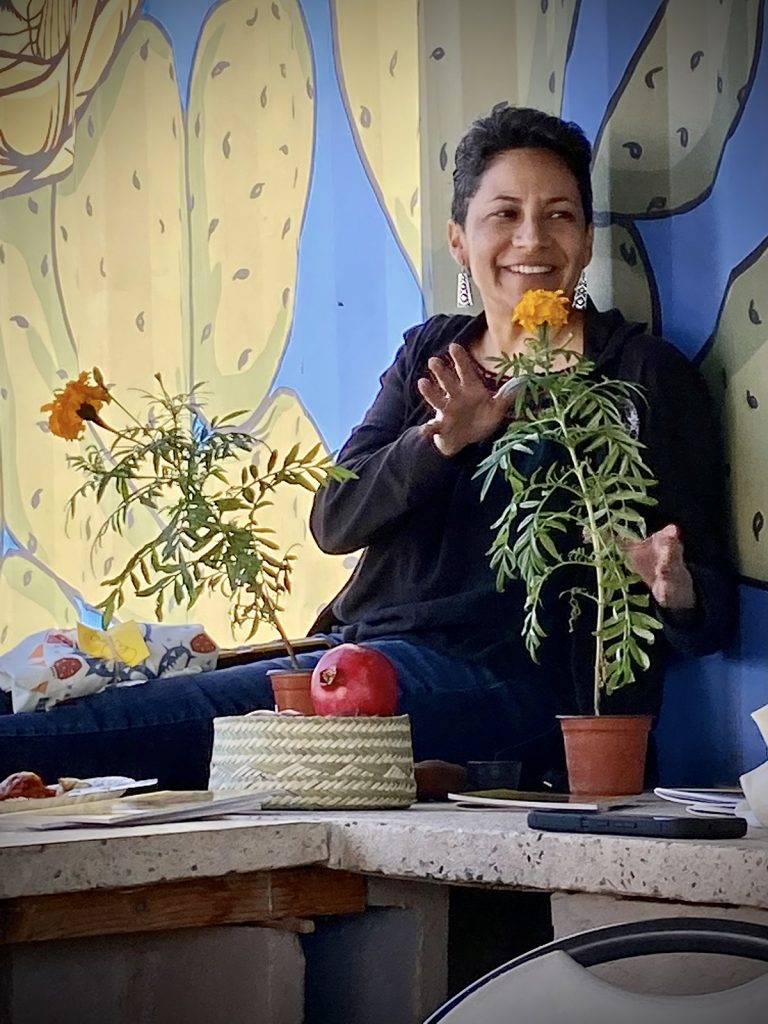
When we were first starting with the youth programing, I was really drawn to the growing piece, that was my passion. But I realized the power was in the cooking days where they would bring their mom or their grandma or an uncle, and then the story started flowing. That’s where the power was. I think food production, maybe because of the word “production,” sounds bereft of the cultural part. Maybe it’s food production and nourishment. Because we’re not machines. So much of the land is treated like a machine. It’s built on efficiency and an industrial model and exploitation. But the land is a living, breathing entity.
I thought, so many people are removed from production, but it’s really not very far away. If you go one generation or two, you can trace someone’s agricultural roots. When I was doing this farm apprenticeship in Santa Cruz, my parents came to visit me halfway through the program. We were walking in the fields, and at one point my dad was like, “Yeah, we drove through Gilroy, the garlic capital of the world.” And I was like, “How did you know it’s called that?” “Because, I came and picked there in the summer.” I started learning that in high school he had come to pick in certain fields … and that my grandparents had worked in cotton fields. It just got me thinking about our stories, our relationship to land, how we remember it. We’re all not too detached from agriculture. But some of us get to celebrate it, and some of us, it’s like there was exploitation and trauma there.
When I moved back, we knew that the land was going to be donated to us. But then navigating the transition of the land through the legal frameworks and then trying to secure funds and have a well drilled was a big part of my La Semilla story. When I was moved back, there was no functioning irrigation well. I worked on getting quotes and talking to different well drillers. Getting them to respond to me and raise funds was a multi-year effort. When they would respond, the misogyny was deep. Me and one of the other co-founders, who was a white male, would stand at the farm, and I would position myself up on the ditch so I could be at eye level with various drillers, so they wouldn’t talk down on me. I was strategic about wearing work gear to be taken seriously. They would turn and look at my colleague instead of me when I would ask the questions.
The well driller we ended up going with was someone who did the drilling [along with his wife]. They were respectful and equal business partners, and they had gone to school at Gadsden. I made it my mission to hire them specifically. After the well was drilled, I invited them back to speak with our Raices youth program.
All these invisible dynamics to navigate before we could even grow anything at the farm.
How do you see La Semilla and the Chihuahuan Desert in 5 or 10 years?
I feel hopeful in people coming together, but I don’t think that climate change is going to ease up in five years, and the pace at which things were predicted and then it’s happening even faster is frightening. But the day to day—practicing and growing things or coming up with how we’ll protect from this or this—that is the antidote.
Yes, you need to think five years out and then also like, what can be done right now? What’s in your power to do right now? You can’t do just one. But the ability to do both requires collectivity. It has to involve the communities we are members of, our relationships and partnerships. It’s these people who know each other through La Semilla. There’s the 501(c)3 nonprofit structure and then there’s the agroecological & cultural practices. La Semilla is a place to practice what it means to be in community with people.